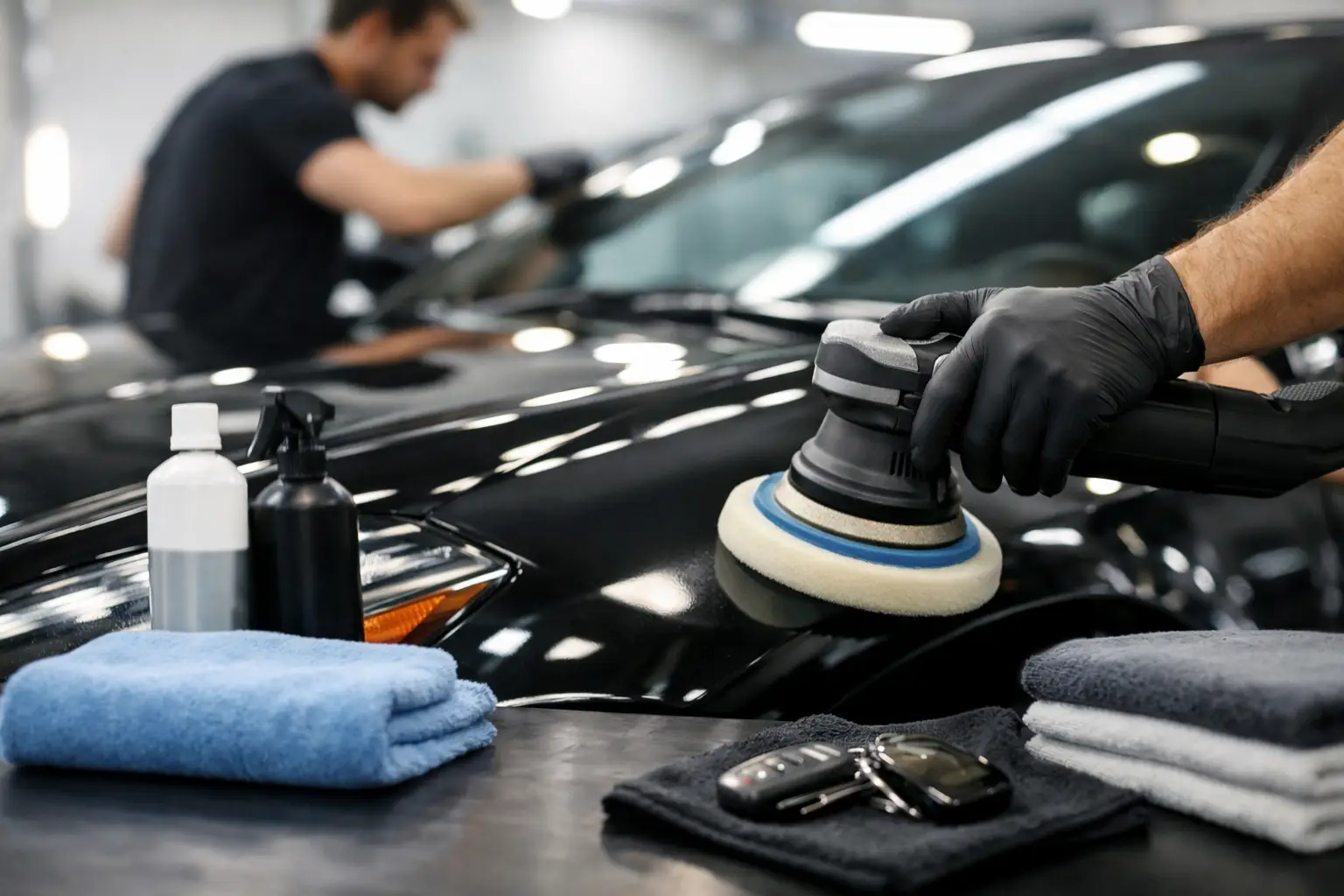
A freshly detailed vehicle should not look exceptional for only a week. The right auto detailing maintenance plans keep dust, road film, winter grime, UV exposure, and everyday use from slowly undoing the work. For drivers in Rapid City and across the Black Hills, consistent professional care is less about chasing a showroom look and more about protecting a vehicle you use, enjoy, and may eventually sell or trade.
A maintenance plan is not a one-size-fits-all schedule. A daily-driven SUV parked outside needs different care than a fair-weather motorcycle, a work truck, or an RV that spends much of the year in storage. The goal is to set a realistic rhythm that keeps surfaces clean and protected without paying for a full restorative detail every time.
What Auto Detailing Maintenance Plans Should Include
A quality maintenance plan starts after a thorough initial detail. That first appointment addresses the buildup that routine service is not designed to fix: embedded dirt, salt residue, stained upholstery, neglected wheels, pet hair, sticky cup holders, and dull exterior surfaces. If a protective coating is part of the vehicle's needs, it should be handled before ongoing maintenance begins.
From there, maintenance visits focus on preserving the condition that has already been created. For most cars, trucks, and SUVs, that means a careful exterior wash, wheel and tire cleaning, bug removal, drying that minimizes water spots, interior vacuuming, wipe-downs of high-touch surfaces, glass cleaning, and a check of existing protection.
The difference between professional maintenance and a quick wash is in the details. Door jambs, trim, wheel barrels, dash seams, cargo areas, and the lower portions of the vehicle collect grime long before they look dirty from a distance. Regular attention to those areas prevents gradual buildup from becoming a bigger, costlier job later.
A plan should also be transparent about what is and is not included. Maintenance is ideal for vehicles that receive consistent care. It may not cover heavy mud, excessive pet hair, spilled drinks, deep stains, tar removal, paint contamination, or a full interior reset. Those conditions are not a failure of the plan. They simply call for additional time and a more intensive service.
How Often Should You Schedule Detailing Maintenance?
The right frequency depends on how the vehicle is driven, stored, and used. A vehicle that stays in a garage, travels mostly paved roads, and receives light use may look great with service every six to eight weeks. A daily driver exposed to gravel, construction dust, snow, road treatment, kids, dogs, or frequent highway miles will usually benefit from monthly attention.
For many Black Hills vehicle owners, a monthly plan is the practical middle ground. It keeps the interior manageable, helps prevent exterior grime from lingering, and makes each visit more efficient. It also creates a consistent record of care, which matters when protecting pride of ownership and resale value.
Seasonal use changes the schedule. During winter, road film and de-icing residue can collect on paint, wheels, lower panels, and under door edges. More frequent exterior care may be worthwhile, especially after extended wet or slushy driving. In summer, bugs, tree pollen, dust, and intense sun become the bigger concerns. A protected finish is easier to clean, but it still needs regular washing to stay looking its best.
Motorcycles often benefit from service before riding season, periodic cleanup during heavy use, and a detailed end-of-season appointment before storage. RVs and trailers may need preparation before a trip, exterior care after a long route, and protection before they sit for months. A plan should follow the vehicle's real life, not a generic calendar.
Signs Your Vehicle Needs a More Frequent Plan
If you notice cloudy interior glass, dusty vents, dirty door jambs, brake dust that returns quickly, bug residue on the front end, or a finish that no longer beads water well, the current interval may be too long. The same is true when a vehicle is consistently carrying children, pets, work equipment, camping gear, or sports equipment.
More frequent care does not mean over-detailing. It means removing contaminants before they become harder to remove and keeping your vehicle enjoyable between major services.
Protection Makes Maintenance More Effective
Maintenance works best when it is paired with the right level of protection. A wax, sealant, ceramic coating, or professionally applied protectant can reduce how strongly dirt, water, and road grime cling to treated surfaces. That makes washing safer and more effective, while helping paint retain a richer, cleaner appearance.
Still, protection is not permission to ignore washing. Coatings and sealants reduce maintenance effort, but they do not stop dirt from accumulating. Neglected contamination can affect the appearance and performance of the protective layer over time. The practical advantage is that a protected vehicle responds better to regular care and often requires less aggressive cleaning.
Interior protection deserves the same consideration. Leather, vinyl, plastics, carpet, and fabric all deal with sun exposure, body oils, spills, and tracked-in debris. Routine cleaning and conditioning can help prevent the dry, faded, or worn look that makes an otherwise clean vehicle feel older than it is.
For truck owners, this may include keeping bed areas, running boards, floor mats, and high-contact interior surfaces under control. For family SUVs, it often means staying ahead of crumbs, fingerprints, pet hair, and cargo-area dirt. Good maintenance should fit the way you use the vehicle, not ask you to pretend it is never used.
Shop Service or Mobile Maintenance?
Both options can make sense, depending on your schedule and the work needed. Mobile detailing is a strong choice when convenience is the main priority. It allows busy owners to have routine care performed at home or work, provided there is appropriate access and conditions for the service.
Shop-based detailing can be the better fit for larger jobs, weather-sensitive work, coating preparation, or vehicles that need a controlled environment. It is also useful during periods when Black Hills weather makes outdoor service less predictable.
The best choice is the one you can maintain consistently. A convenient plan that happens every month will generally do more for a vehicle than an ideal plan that gets postponed for half a year.
Choosing a Plan That Fits Your Vehicle
Before committing to recurring service, consider the vehicle's condition today, where it is parked, how many miles it travels, and what it carries. A new, protected sedan may need a simple preservation schedule. A heavily used truck may need stronger exterior attention and more frequent interior service. A vehicle with neglected paint or a stained interior may need a reset detail before maintenance can deliver the results you expect.
Ask for clear guidance on service intervals, included tasks, add-on options, and what would trigger a deeper appointment. Transparent pricing matters here. You should know whether your plan covers your vehicle's normal condition and what happens when a seasonal cleanup, pet-hair removal, stain treatment, or protective service is needed.
Soul Detailers approaches recurring care with the same standard as a first-time detail: thoughtful service, visible results, and respect for the investment sitting in your driveway. Whether your vehicle is a commuter, a weekend toy, a workhorse, or part of your next Black Hills adventure, a maintenance schedule should make ownership easier.
The most effective plan is the one that keeps small messes from becoming major projects. Set a cadence that matches your driving habits, protect the surfaces that take the most abuse, and give your vehicle the consistent care it deserves.