A tunnel wash is cheap. Replacing faded trim, neglected paint, stained seats, or a permanently dull interior is not. That is why so many vehicle owners eventually ask the same question: is auto detailing worth it?
For most drivers, the real answer is not about whether detailing makes a vehicle look better. It does. The better question is whether the improvement lasts long enough, protects enough value, and saves enough time to justify the cost. In many cases, it absolutely does. But not every vehicle needs the same level of service, and not every owner gets the same return.
Is auto detailing worth it for most drivers?
If you use your vehicle every day, deal with South Dakota dust, road grime, bugs, winter residue, or kids and pets in the cabin, detailing is usually worth it. A professional detail goes far beyond a quick wash and vacuum. It addresses contamination, buildup, neglected surfaces, and areas that standard car cleaning rarely touches.
That matters because vehicles wear down in layers. Paint loses gloss slowly. Interior materials absorb oils and stains over time. Plastic, leather, carpet, and trim do not fail all at once. They age a little every month. A proper detail helps slow that aging process and restores the parts of your vehicle you see and touch every day.
For owners who care about pride of ownership, resale value, or simply not driving something that feels tired and neglected, that difference is easy to notice. For owners who treat their truck, SUV, motorcycle, RV, or trailer as a major investment, detailing is often less of a luxury and more of a maintenance decision.
What you are really paying for
Some people compare detailing to a basic car wash and assume the price gap means it is overpriced. That is usually the wrong comparison.
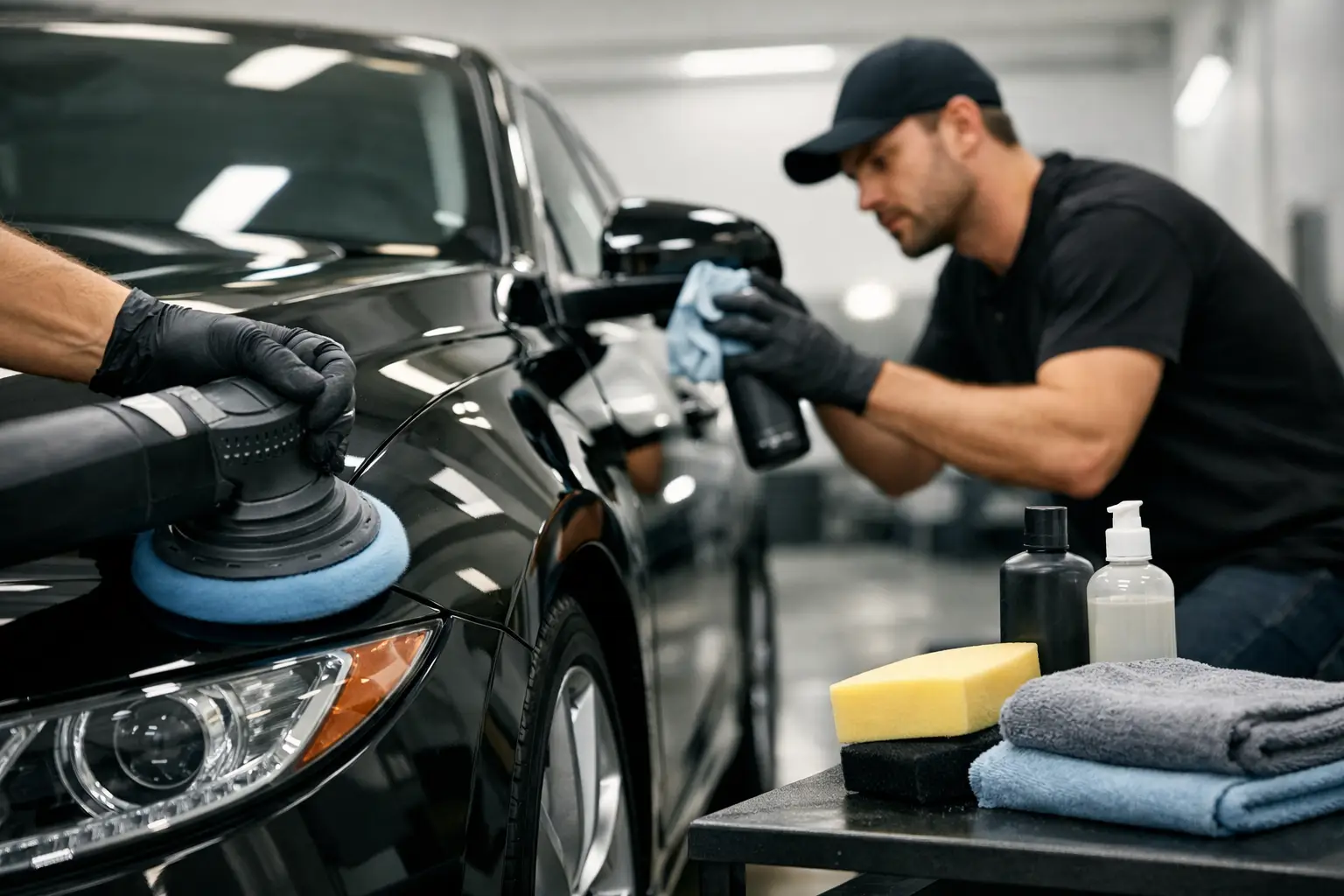
A true detail is labor, technique, product knowledge, and surface-specific care. It is the difference between rinsing dirt off and actually correcting the effects of use. Exterior work may include hand washing, decontamination, wheel and tire cleaning, trim treatment, and protection for painted surfaces. Interior work often means deep vacuuming, stain treatment, steam or extraction on fabrics, careful cleaning of high-touch surfaces, and conditioning where needed.
When higher-end services enter the picture, such as paint correction or protective treatments, you are also paying for skill. Removing swirls, restoring gloss, or preserving clear coat is not the same as making a car shiny for a day. Done correctly, those services improve appearance and help maintain the finish over time.
In other words, you are not just paying for clean. You are paying for condition.
When auto detailing is clearly worth it
There are certain situations where the value is easy to see.
If you plan to sell or trade in your vehicle, detailing can make a meaningful difference in how it presents. Buyers notice cloudy paint, dirty carpets, pet hair, odors, and neglected trim immediately. Even when the mechanical condition is solid, appearance shapes perception. A clean, well-kept vehicle suggests responsible ownership.
If you drive a newer vehicle, detailing can help preserve that newer look much longer. This is one of the strongest cases for professional care. Protection and maintenance are usually more affordable than trying to reverse years of neglect later.
If your vehicle pulls double duty as both transportation and personal space, interior detailing is often worth every dollar. People spend a surprising amount of time in their cars, trucks, and SUVs. Clean glass, fresh surfaces, and an interior free of dust, grime, and odors simply make daily use better.
And if you own specialty vehicles like motorcycles, RVs, or trailers, professional detailing becomes even more practical. Those vehicles often have larger surface areas, harder-to-reach sections, and materials that require more careful handling. The convenience alone can justify the service.
When it depends
There are also cases where the answer is more nuanced.
If you have an older daily driver with cosmetic issues you do not care about, a full premium detail may not be your best value. A lighter maintenance service might make more sense than investing in restoration-level work.
If you already wash and maintain your vehicle carefully, you may not need frequent full details. But even disciplined owners often benefit from periodic professional service. There is a difference between staying on top of basics and having the tools, time, and experience to deep clean and preserve every surface properly.
Budget matters too. If the choice is between routine vehicle maintenance and cosmetic improvement, mechanical needs come first. Detailing supports vehicle condition, but it does not replace tires, brakes, or fluid service. The smartest approach is to see detailing as part of overall vehicle care, not a substitute for the essentials.
The time factor most people overlook
One reason detailing is worth it for many owners has nothing to do with products or polish. It is time.
A proper interior and exterior detail can take hours, especially on larger vehicles. Trucks, three-row SUVs, RVs, and trailers are not quick weekend chores if you want real results. Add the cost of equipment, chemicals, towels, extractors, brushes, and the trial-and-error of figuring out what works on each material, and DIY starts looking less simple.
Professional detailing gives you back your day while delivering a more consistent result. That is especially valuable for busy families, working professionals, and anyone who would rather spend their free time doing something other than scrubbing cup holders and chasing dog hair out of carpet.
Mobile service can add even more value here. When quality detailing comes to your home or workplace, the convenience becomes part of the return on investment.
Does detailing help resale value?
Usually, yes, but with realistic expectations.
Detailing will not turn a worn-out vehicle into a high-dollar sale. It will not erase accident history, mechanical problems, or deep damage. What it can do is help your vehicle show at its best. That often means stronger photos, better first impressions, and less negotiating pressure from buyers who use appearance issues to drive the price down.
For newer or well-kept vehicles, the benefit can be even greater. A cleaner, glossier exterior and fresher interior support the story that the vehicle has been cared for properly. That matters in private-party sales and trade-in discussions alike.
The same logic applies before lease return, seasonal storage, or major life events where presentation matters. A vehicle in strong visual condition is simply easier to feel confident about.
What makes professional detailing worth it instead of disappointing
Not all detailing is equal. The service is worth it when the provider is thorough, clear about what is included, and equipped to handle your specific vehicle type.
Transparent package options matter. So does realistic communication. A trustworthy detailer will tell you what can be improved, what may require correction work, and what damage is permanent. That honesty protects your expectations and your wallet.
It also helps to choose a provider that sees detailing as long-term surface care, not just a quick cosmetic reset. That includes understanding paint condition, interior material care, and how protection services fit into the bigger picture. For vehicle owners in Rapid City and the Black Hills, that local experience matters. Dust, seasonal weather, and road conditions create a very different maintenance reality than a mild climate with cleaner roads.
That is where a premium, customer-centered approach stands out. Businesses like Soul Detailers are built around the idea that a vehicle deserves more than a surface-level clean. The goal is to deliver a soul-deep clean while helping owners protect what they drive every day.
So, is auto detailing worth it?
If you want your vehicle to last better, look better, feel better, and hold its value more confidently, yes - auto detailing is worth it. The return is strongest when you choose the right level of service for your vehicle, your budget, and how you actually use it.
For some owners, that means occasional deep detailing. For others, it means regular maintenance plus higher-value services like paint correction or protective treatments. Either way, the smartest mindset is simple: taking care of your vehicle early is almost always cheaper and easier than trying to fix neglect later.
A clean vehicle feels good. A well-preserved one pays you back over time.