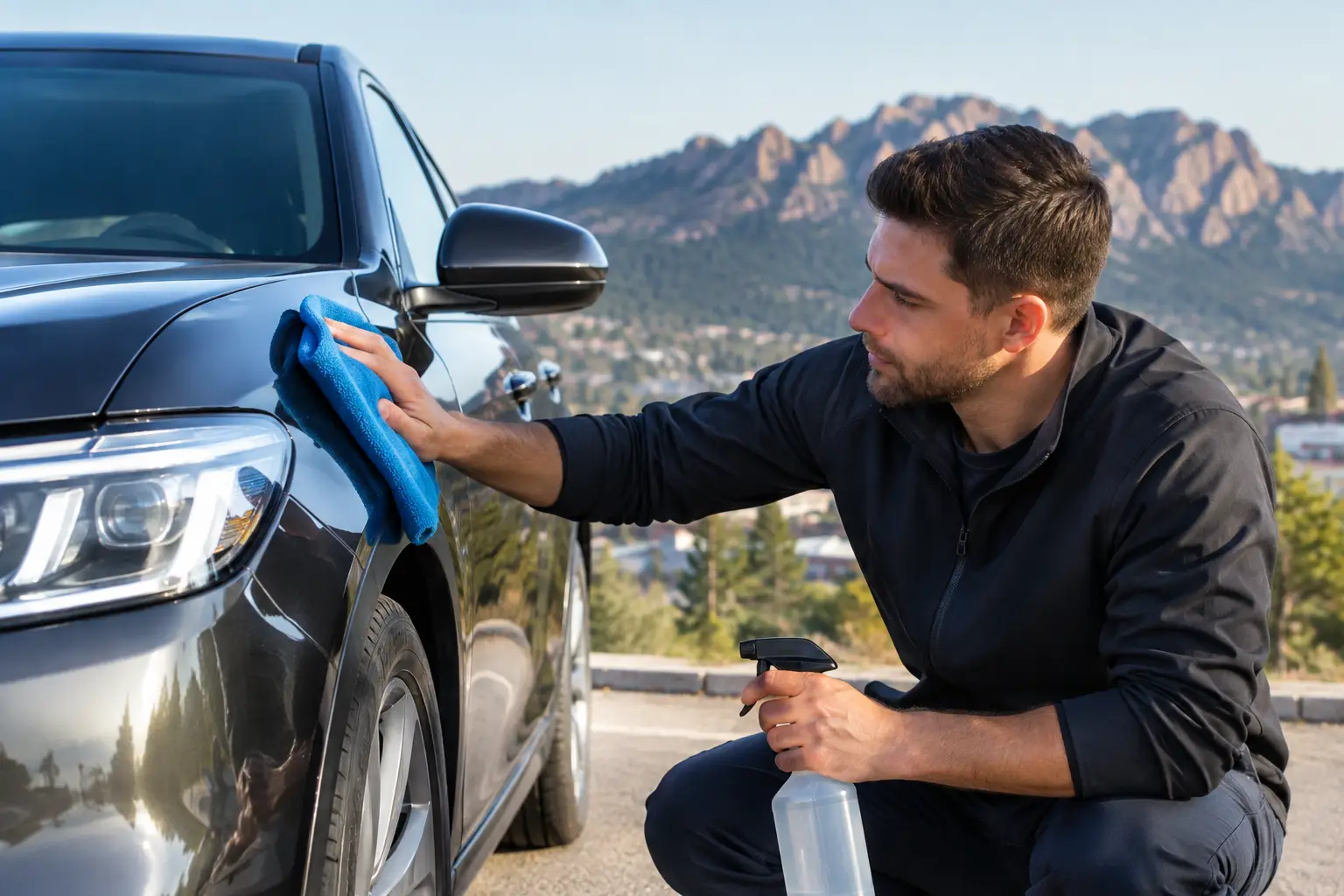
A clean vehicle feels good the day it leaves the shop. A properly detailed vehicle keeps feeling good weeks later because the work goes beyond a quick vacuum and a shiny tire dressing. If you are asking how often should you detail your car, the practical answer for most Black Hills drivers is every four to six months, with a professional full detail at least twice a year.
That said, a calendar alone cannot account for gravel roads, winter road treatment, long commutes, kids, dogs, job-site dust, or a summer spent towing a camper through the Hills. The right schedule is based on how your vehicle is used, where it is parked, and the level of protection already on the paint and interior surfaces.
How Often Should You Detail Your Car? Start With Twice a Year
For a typical daily driver in Rapid City, schedule a complete interior and exterior detail in spring and fall. This cadence gives your vehicle attention after the two seasons that tend to leave the biggest mark: winter road grime and summer dust, bugs, pollen, and sun exposure.
A spring detail removes the residue that builds up during cold-weather driving. Road salt and de-icing materials can cling to lower panels, wheel wells, wheels, door jambs, and undercarriage areas. Left in place, that contamination can dull finishes and contribute to premature corrosion, especially around chips and exposed metal.
A fall detail prepares the vehicle for the months ahead. Cleaning out sand, dust, organic debris, and summer oils before applying quality protection gives the paint, trim, glass, and interior a better starting point for winter. It also makes regular upkeep easier when temperatures drop.
Twice yearly is a strong baseline, not a hard rule. Some owners will benefit from quarterly detailing, while others can maintain a well-kept, lightly used vehicle with one comprehensive annual detail and periodic maintenance service.
Match Your Detailing Schedule to How You Drive
Your driving conditions matter more than mileage alone. A garage-kept sedan used mostly for paved commuting does not face the same wear as a truck that sees gravel, construction sites, ranch roads, or frequent outdoor recreation.
Every three to four months for demanding use
Quarterly detailing is a smart choice for trucks, SUVs, work vehicles, and family vehicles that work hard. It is also a good interval for vehicles regularly exposed to gravel dust, mud, pet hair, spilled drinks, heavy foot traffic, or frequent highway driving.
This schedule helps prevent small issues from becoming stubborn ones. Brake dust can bake onto wheels, bug residue can etch vulnerable paint, and salt-laden slush can settle into places a standard wash may miss. Inside, sand and grit grind into carpets, leather collects body oils, and food residue creates odors that are far easier to remove early.
Quarterly service is especially worthwhile if your vehicle represents your business, carries clients, or needs to look consistently sharp. Presentation is part of the ownership experience, and routine professional care helps the vehicle reflect the standard you want associated with it.
Every four to six months for most daily drivers
For the average personal car, truck, or SUV, detailing every four to six months balances appearance, preservation, and cost. Between appointments, regular safe washes and quick interior cleanups keep the vehicle from reaching the point where deep cleaning becomes more time-consuming.
This is often the best fit for owners who want their vehicle to stay genuinely clean without scheduling service more often than necessary. A detail refreshes the areas that routine washing does not fully address: embedded interior soil, air vents, door jambs, wheel barrels, paint contamination, trim, and protective finishes.
Once a year for lightly used, protected vehicles
A low-mileage vehicle that lives in a garage and avoids harsh conditions may only need a full detail annually. This can work well for a second vehicle, collector vehicle, or seasonal vehicle, provided it receives appropriate washing and protection throughout the year.
Annual service should not mean ignoring the vehicle until next year. Bird droppings, tree sap, bug splatter, and road salt need prompt attention whenever they appear. Even a vehicle that barely moves can collect dust, interior odors, and contaminants that affect its finish over time.
A Detail Is Different From a Car Wash
One reason detailing schedules get confusing is that “clean” can mean very different things. A car wash removes surface dirt. Detailing is a more thorough appearance-care service designed to clean, restore, and protect the vehicle’s materials.
A quality exterior detail may include careful hand washing, wheel and tire cleaning, decontamination, cleaning of jambs and detailed areas, and application of protection suited to the paint and trim. An interior detail reaches deeper into carpets, seats, crevices, panels, glass, and high-touch surfaces.
You do not need a complete detail after every dirty drive. In fact, routine maintenance washing is what protects the value of professional detailing between appointments. The goal is to remove harmful contamination quickly and reserve deeper restoration and protection work for the intervals when it delivers the most benefit.
Signs Your Vehicle Is Due Before the Calendar Says So
Sometimes your vehicle will tell you it needs attention. If the paint feels rough after washing, it likely has bonded contamination that ordinary soap will not remove. If water no longer beads or sheets cleanly, existing protection may be wearing away.
Inside, a lingering odor, matted carpet, hazy interior glass, sticky cup holders, or visible dust in seams are all signs that a quick cleanup is no longer enough. Leather that looks dry or glossy from body oils, rather than naturally satin, also deserves professional care.
Exterior warning signs include dull trim, stained wheels, bug residue that will not release easily, cloudy headlights, and grime around emblems, door handles, and fuel doors. Addressing these issues sooner typically preserves more of the original finish than waiting for them to become permanent defects.
Seasonal Detailing Matters in the Black Hills
Local conditions can change quickly, sometimes within the same week. Winter brings road treatment, slush, and temperature swings. Spring adds mud and windblown grit. Summer means UV exposure, bugs, pollen, and road-trip debris. Fall introduces needles, leaves, moisture, and the need to prepare for colder weather.
For that reason, a vehicle in the Rapid City area often benefits from a spring reset and a fall protection appointment even if it looks reasonably clean. Much of the contamination that affects long-term condition is not obvious from a few feet away. It gathers behind wheels, beneath floor mats, inside jambs, and across paint as a thin, dulling film.
Owners of motorcycles, RVs, trailers, and seasonal vehicles should plan around storage and travel. Detail and protect before storage so dirt, bugs, moisture, and organic material are not sitting on surfaces for months. Schedule another service after major trips or before the next travel season to remove road film and restore protection.
Protection Can Change the Interval, Not Eliminate Maintenance
Waxes, sealants, and ceramic-style protective coatings can make cleaning easier and help preserve gloss. These services are valuable investments, but they are not a reason to stop washing your vehicle.
Protection works best when contaminants are removed before they have time to bond or damage the surface. Harsh automatic brushes, abrasive towels, and neglected road film can shorten the effective life of any protective product. A thoughtful maintenance plan preserves both the vehicle and the work already performed on it.
If you have recently added protection, ask for care guidance based on where you park, how much you drive, and whether you wash at home or use professional maintenance services. The best interval is one you can actually maintain consistently.
A Detailing Schedule for Rapid City and the Hills
Conditions change a lot across our service area, so the right rhythm does too.
- Rapid City and Box Elder daily drivers: Plan on a Full Detail in late spring, after the winter's road treatment and gravel, and again in the fall before the first heavy snow. I-90 dust, mag chloride and summer hail season all land here, and Box Elder's new construction adds mud and dust.
- Hill City, Keystone and Custer drivers: Pine sap, gravel and brake dust from Highway 16, Iron Mountain Road and the Wildlife Loop add up faster, so every three to four months is a better fit.
- Sturgis riders and motorcycle owners: Book a pre-rally detail in July and a post-rally detail in August to clear a week of bugs and road grime.
- Ranch and work trucks: Mud, gravel roads and job sites call for a detail every three to four months, with regular washes in between.
The Full Detail is $250 for cars and $300 for SUVs and trucks, with upsells for odor removal ($100), pet hair removal ($50), carpet and upholstery shampoo ($100), biohazard cleaning ($100), engine bay cleaning ($100) and premium hand waxing ($400). See the pricing page, our car, truck and SUV detailing page, or the Rapid City location page.
Choose a Schedule That Protects Your Investment
The right detailing frequency should make ownership easier, not feel like another chore. Start with two full details per year. Move to every three or four months if your truck, SUV, family vehicle, or recreational vehicle sees tougher conditions. Add maintenance washes whenever salt, bugs, mud, sap, or heavy dust build up.
Soul Detailers approaches each vehicle with the same goal: a soul-deep clean that respects the condition of the surfaces and the value of the vehicle. Whether you need shop service or mobile convenience, timely care keeps small messes from becoming costly corrections.
A good next step is simple: look at your vehicle after its most demanding season, not just after a rainstorm. If the paint feels rough, the interior no longer feels fresh, or the finish has lost its crisp, cared-for look, it is time to give it the level of attention it deserves.