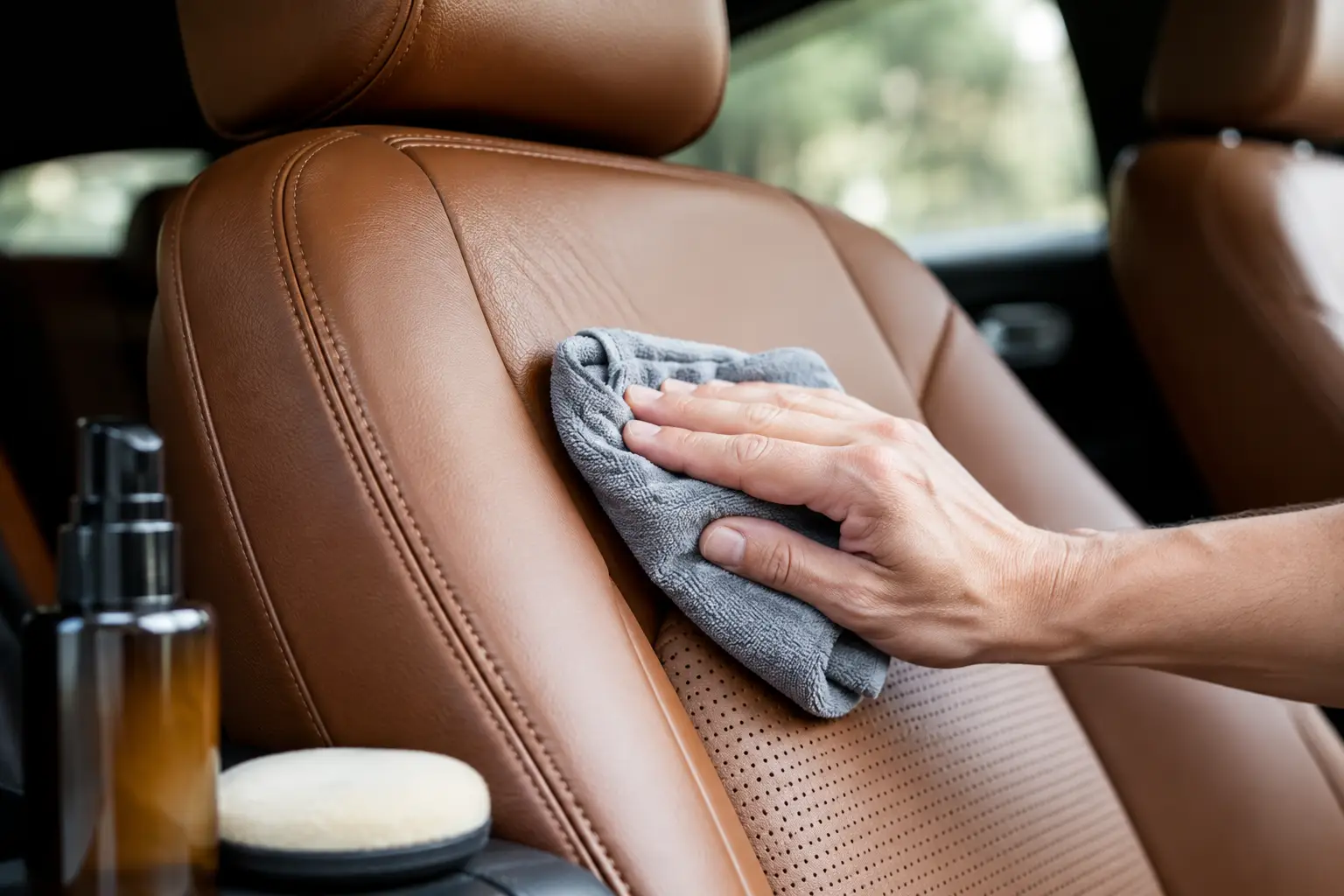
A cracked driver’s seat can make an otherwise well-kept vehicle feel tired fast. In Rapid City and across the Black Hills, leather conditioning is one of the most practical ways to protect a vehicle interior from dry air, temperature swings, UV exposure, dust, and the daily friction of getting in and out. Done correctly, it preserves the clean, comfortable appearance that makes every drive feel better.
Leather care is not about making seats shiny or slick. Quality conditioning is a measured protection step that supports the material’s flexibility and finish without leaving behind residue that attracts dirt. Whether it is the leather in a daily-driven SUV, a work truck, a motorcycle saddle, or an RV captain’s chair, the goal is the same: keep the surface clean, supple, and ready for the miles ahead.
What Leather Conditioning Actually Does
Most modern vehicle leather has a protective topcoat. That coating makes it easier to clean and more resistant to spills, but it does not make the surface maintenance-free. Body oils, sunscreen, denim transfer, dirt, pet hair, food spills, and sun exposure gradually affect both the protective finish and the material beneath it.
A proper leather service begins with cleaning, not conditioner. Soil has to be removed from the surface, stitching, perforations, seams, and bolsters before any protectant is applied. Conditioning or protecting a dirty seat can lock in grime and leave the finish uneven.
After cleaning, the right leather-safe conditioner or protectant helps maintain a balanced finish and reduces the dry, neglected look that often develops on high-contact areas. It can also make future cleanup easier by adding a layer of protection against everyday contamination. The best result looks natural: clean color, a soft satin finish, and no greasy feel.
Why Vehicle Leather Dries Out and Wears Down
Leather deterioration is rarely caused by one dramatic event. It usually comes from thousands of small ones. The outer edge of the driver’s seat is a perfect example. Every entry and exit puts pressure on that bolster, while jeans, belts, work clothes, and skin oils add abrasion and transfer.
Sun exposure is another major factor. Parked vehicles can get hot quickly, and repeated heat cycles can contribute to fading, stiffness, and premature wear. Black interiors are especially prone to showing dust, oils, and surface scuffs, while lighter leather can reveal dye transfer and stains more clearly.
The Black Hills climate adds its own demands. Dry conditions can make neglected leather feel less forgiving, while mud, road grit, snowmelt, and outdoor recreation bring extra debris into trucks, SUVs, trailers, and RVs. Leather does not need constant heavy treatment, but it does benefit from consistent, thoughtful care.
Leather Conditioning Starts With the Right Assessment
Not every material that looks like leather should receive the same treatment. Many vehicles use genuine leather on seating surfaces with vinyl or synthetic material on side panels, backs, or trim. Some interiors are entirely synthetic, including leatherette, vinyl, and other coated materials. These surfaces still need professional cleaning and protection, but they may require a different product and process.
Age and condition matter, too. Newer leather may primarily need regular cleaning and a mild protectant. Older leather that feels stiff, looks dull, or has early creasing deserves closer attention. If a seat already has peeling, deep cracks, worn dye, or damaged stitching, conditioner alone will not repair it. In those cases, a detailer can help clean and protect the remaining finish while identifying whether restoration or repair is the better next step.
The wrong product can create more problems than it solves. Heavy oils, household cleaners, harsh degreasers, and products meant for uncoated furniture leather can leave automotive seats slippery, blotchy, or overly glossy. They may also interfere with the factory finish. Automotive leather should look refined, not wet.
How Often Should You Condition Vehicle Leather?
For most well-maintained vehicles, professional leather cleaning and conditioning every three to six months is a sensible baseline. The right interval depends on how the vehicle is used, where it is parked, and what it carries.
A garage-kept weekend car with lightly used leather may need less frequent service. A family SUV, a work truck, or a vehicle used for road trips, pets, kids, and outdoor gear may benefit from more regular interior maintenance. The driver’s seat, center armrest, steering wheel, shift area, and door pulls often need attention before the rest of the cabin because they receive the most skin contact.
It also depends on the product. Some leather protectants are designed for frequent maintenance, while heavier conditioning products should be used more sparingly. More product does not equal better protection. Overapplication can leave residue in perforations and seams, attract dust, or make the finish feel greasy.
Signs Your Interior Is Ready for Leather Care
A clean seat is not always a protected seat. Look for dullness that does not improve after a gentle wipe, a dry or stiff feel, visible grime along stitching, dark buildup on armrests, or color transfer from jeans and clothing. Light-colored interiors often show discoloration first, while black or dark brown seats may reveal oily shine and dust around the bolsters.
Pay attention to the steering wheel as well. It is one of the highest-contact leather surfaces in the vehicle, yet it is often overlooked. A wheel that feels overly shiny, sticky, or slick may have body oil and product buildup rather than a healthy finish. Proper cleaning can restore a more natural grip and appearance.
If you notice cracking, do not wait for a miracle product. Early care can slow additional wear, but deep cracks generally require repair rather than conditioning. Addressing dry, dirty, or discolored leather early is the best way to avoid a more involved restoration later.
The Professional Difference in Leather Conditioning
Professional leather care is about process, not simply rubbing a product onto the seats. A thorough service typically includes a condition check, safe cleaning for the material type, detailed work around seams and perforations, controlled drying, and application of an appropriate conditioner or protectant. The technician should also avoid soaking buttons, seat controls, heated-seat components, and stitched areas.
This approach matters on premium interiors, perforated leather, ventilated seats, motorcycle saddles, and RV furnishings, where product buildup or excessive moisture can create avoidable issues. It also creates a more consistent result across the entire cabin instead of treating only the most visible surfaces.
At Soul Detailers, interior care is approached as part of a soul-deep clean, not a quick shine step. That means giving the materials the same attention as the visible dirt, so your cabin looks cared for and remains more comfortable over time.
Simple Habits That Help Leather Last
Professional service works best when it is supported by a few practical habits between appointments. Use a clean microfiber towel to remove fresh spills quickly, especially coffee, sunscreen, food, and drink residue. Avoid leaving wet jackets, gym clothes, or muddy gear directly on the seats for long periods.
Parking in a garage, using shade when available, or placing a quality sunshade in the windshield can reduce heat and UV stress. Seat covers can be useful for job sites, pets, or outdoor trips, but make sure they fit correctly and do not trap grit against the leather. Before installing any cover long-term, clean the seat underneath it.
Be careful with store-bought interior wipes. Some are fine for occasional cleanup, while others leave gloss enhancers, fragrance oils, or residues that build up over time. If the seat feels slick after cleaning, the product or application method is probably not right for that surface.
Protect the Interior You Use Every Day
Leather seats are part of the vehicle experience, not just an option listed on the window sticker. When they are clean, conditioned, and protected, the cabin feels more inviting, photographs better, and reflects the pride you take in your vehicle. That matters whether you are commuting through Rapid City, hauling equipment across the Black Hills, or preparing a vehicle for sale.
Give attention to the areas you touch every day before wear becomes impossible to ignore. A consistent leather care plan is a small investment in a cabin that continues to look like it belongs in a well-maintained vehicle.