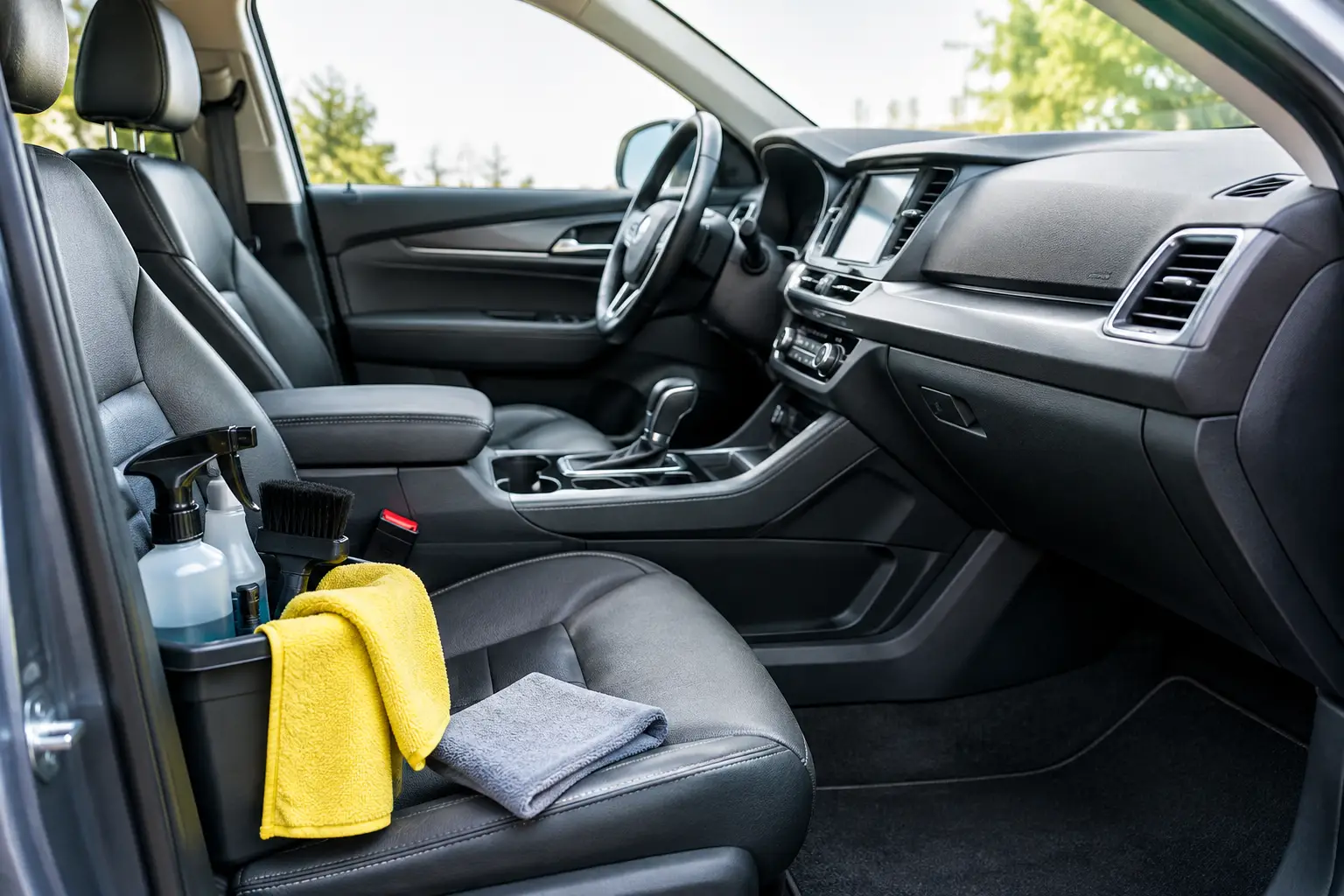
An SUV can hide an impressive amount of dirt. Black Hills road dust settles into seat tracks, winter salt dries along door sills, kids leave crumbs in third-row cup holders, and pet hair works its way into carpet that looks clean from a distance. A proper SUV interior detailing checklist addresses the areas a quick vacuum misses, restoring the comfort, appearance, and long-term condition of the vehicle you rely on every day.
For many owners, interior detailing is about more than a fresh scent. It protects leather, vinyl, carpet, trim, and high-touch controls from premature wear. It also makes a meaningful difference when it is time to trade in, sell, or simply enjoy the drive again.
Start With the Right Setup
A quality interior detail begins before any cleaner touches the vehicle. Park in a shaded, well-ventilated space and remove personal items, floor mats, cargo organizers, car seats, and loose gear. This gives you access to the full interior instead of cleaning around clutter.
Take a quick walk-around inside the SUV before starting. Note spills, stains, pet hair, salt residue, damaged trim, and areas with heavy buildup. This matters because each material needs a different approach. Leather that is dry and neglected requires gentler care than durable rubber cargo mats, while a stubborn coffee stain may need targeted treatment before general shampooing.
Avoid soaking carpets, seats, door panels, or headliners. SUVs have more interior volume than sedans, but that does not mean every surface can handle excess moisture. Controlled application and thorough drying prevent odors, water marks, and problems with sensitive electronics.
SUV Interior Detailing Checklist: Work From High to Low
The most efficient process is to clean from the top of the cabin downward. Dust falls as you work, so starting with headliners and upper trim prevents you from redoing the carpet later.
1. Clear loose debris and vacuum thoroughly
Begin with a complete vacuum of the cabin, including under the seats, between seat cushions, around seat rails, door pockets, vents, cup holders, the glove box, and the cargo area. Use narrow attachments for tight seams and a brush attachment for delicate surfaces.
Move the front seats forward and back to expose the carpet underneath. In three-row SUVs, fold and reposition the rear seats as needed. The cargo area deserves the same attention as the passenger cabin, especially if it carries groceries, sports gear, hunting equipment, pets, or work supplies.
Pet hair often requires more than vacuuming. A rubber brush, detailing brush, or specialized pet-hair tool can loosen embedded hair before a second vacuum pass. Rushing this step leaves the cabin looking only partly finished.
2. Clean the headliner with restraint
Headliners collect fingerprints, smoke film, dust, and occasional stains, yet they are one of the easiest surfaces to damage. The fabric is usually bonded to a backing with adhesive. Aggressive scrubbing or heavy saturation can cause sagging.
Use a light touch. Apply an appropriate interior cleaner to a microfiber towel rather than directly overhead, then gently blot or wipe small sections. For severe staining or a sagging headliner, professional assessment is the safer choice.
3. Detail vents, dash, screens, and controls
The dashboard is the visual center of the cabin, and it sees constant sun exposure through the windshield. Use a soft brush and microfiber towel to lift dust from vents, gauge bezels, steering-column areas, seams, and textured trim. Follow with a non-greasy interior protectant designed for the material.
Do not spray cleaners directly onto infotainment screens, gauge clusters, buttons, or switches. Moisture can migrate into openings and leave streaks on sensitive displays. A clean, lightly dampened microfiber towel is usually enough for screens, while buttons and controls benefit from careful brushing and minimal product.
The steering wheel, turn-signal stalk, shifter, door pulls, and seat-adjustment controls deserve extra attention. These high-contact points collect oils, sunscreen, lotion, and grime that can make the interior feel neglected even after the carpets are clean.
4. Treat seats based on the material
Cloth seats need vacuuming first, followed by spot treatment and fabric cleaning as needed. Work stains from the outside toward the center to reduce spreading. If extraction is used, do not over-wet the fabric or padding. The goal is clean upholstery that dries completely, not a soaked seat that smells musty the next day.
Leather and leather-trimmed seats require a pH-appropriate cleaner and a soft brush or microfiber towel. Clean the seams, bolsters, perforations, and edges where body oils build up. Once clean and dry, apply a quality leather conditioner or protectant when appropriate. The right product helps preserve a natural finish without making the seating surface slippery or overly shiny.
Vinyl and synthetic leather are common in family SUVs and work vehicles. They are durable, but they still benefit from regular cleaning and UV protection. Skip harsh degreasers, household cleaners, and glossy dressings. A greasy finish attracts dust and can create distracting reflections on the windshield.
5. Deep-clean carpets, mats, and cargo flooring
Flooring takes the hardest abuse, especially in Rapid City winters. Salt, slush, mud, gravel, and moisture can work deep into carpet fibers. Remove mats first and clean them separately. Rubber mats can be rinsed, scrubbed, and dried, while carpet mats may need vacuuming, stain treatment, shampooing, and extraction.
Inspect the carpet underneath the mats, particularly along the driver’s footwell and rear seating areas. Salt residue may look like light-colored crust or streaking. It should be addressed with the right cleaning process rather than simply covered with fragrance.
Do not overlook seat tracks, threshold trim, and the cargo lip. These areas collect compacted grit that can scratch plastic and make door openings look worn. A detail brush, vacuum, and microfiber towel bring them back into line with the rest of the interior.
6. Clean doors, glass, and small storage areas
Door panels combine several materials in one place: plastic, vinyl, leather inserts, switches, speaker grilles, and weather seals. Clean each area with products suited to the surface and use brushes sparingly around switches and speakers. Door pockets often hold sticky residue, wrappers, and sand that a basic wipe-down will not remove.
Finish the interior glass with a streak-free automotive glass cleaner and clean microfiber towels. Clean the windshield last, including the lower corners near the dash where haze commonly builds up. Clear interior glass improves visibility during low-angle sun, nighttime driving, and changing Black Hills weather.
Cup holders, center consoles, seat-back pockets, and third-row storage compartments are small details with a big visual payoff. Use a brush and towel to remove buildup, then make sure every compartment is dry before closing it.
Protect the Results Instead of Starting Over Every Month
A deep interior detail does not need to happen weekly. For a lightly used SUV, a thorough seasonal service may be enough, with regular vacuuming and wipe-downs in between. Families with young children, dogs, outdoor hobbies, or frequent road trips may need professional-level cleaning more often.
The best maintenance habit is simple: remove trash promptly, shake out mats regularly, wipe spills before they set, and keep a microfiber towel in the vehicle. It is also wise to avoid eating messy foods in the cabin when possible. Small habits preserve the finish and reduce the labor needed for the next detail.
Professional detailing makes particular sense when stains are set in, odors persist, pet hair is embedded, salt has accumulated, or the SUV is being prepared for sale. A trained detailer has the tools, products, and process to clean thoroughly without taking shortcuts on delicate surfaces.
Your SUV carries a lot of life - commutes, family trips, job sites, trailheads, and everything between. Giving its interior a soul-deep clean is a practical way to protect that investment and make every mile feel better. When the work calls for more than a vacuum and a quick wipe, Soul Detailers can help return the cabin to a clean, cared-for condition.