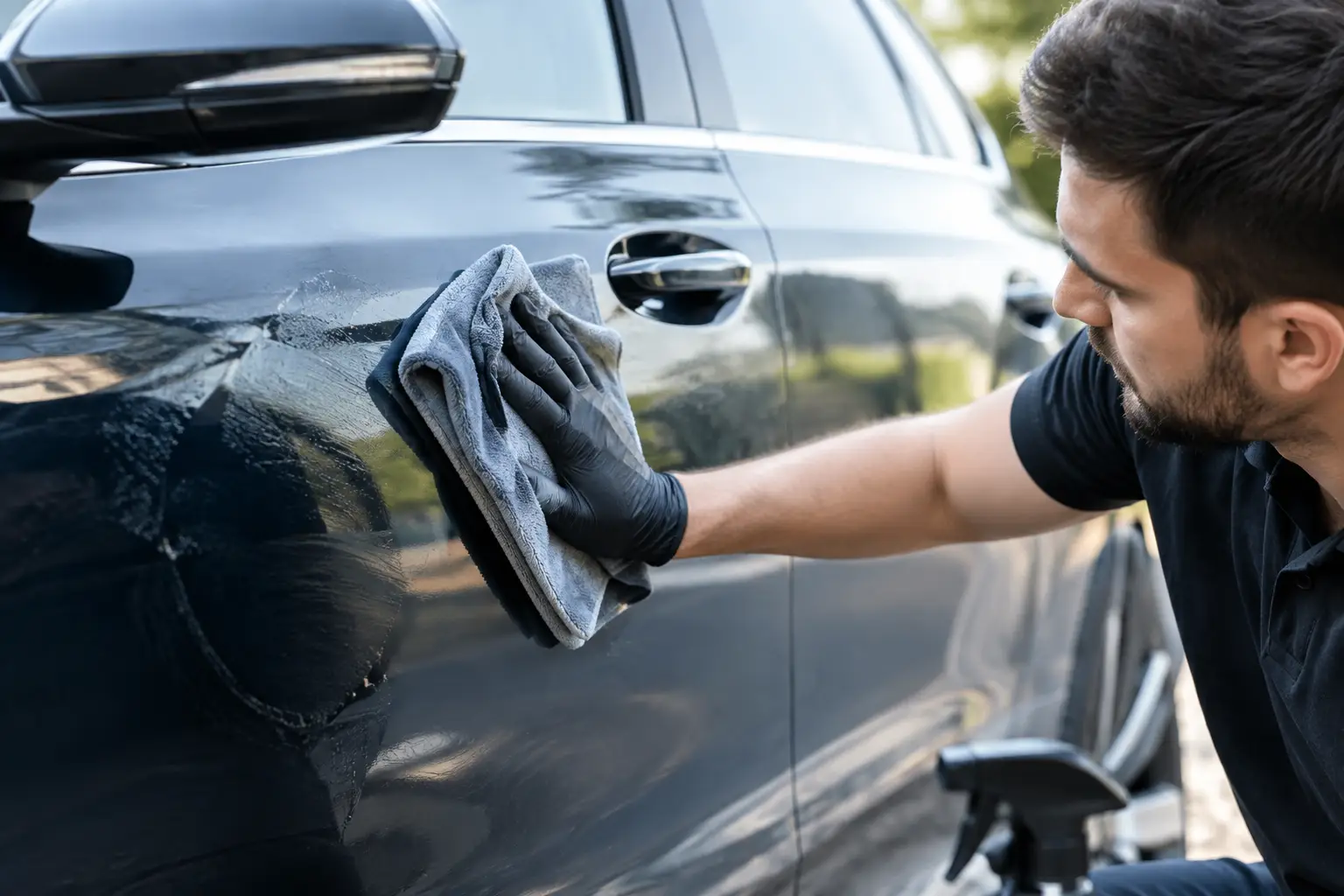
A coffee spill in the center console, muddy boot marks on a truck’s carpet, or hard-water spotting on the paint can make an otherwise well-kept vehicle feel neglected. So, does detailing remove stains? Often, yes - but the answer depends on what caused the stain, how long it has been there, and whether it has damaged the surface beneath it.
Professional detailing is designed to do far more than wipe down visible dirt. It uses the right cleaners, tools, agitation methods, and extraction techniques for each material in your vehicle. That process can dramatically improve many stains and, in the best cases, remove them completely. Some older, set-in stains or chemical damage may not disappear fully, but expert care can still make a meaningful difference.
Does Detailing Remove Stains From Every Surface?
Detailing can address stains on upholstery, carpet, leather, plastic, headliners, wheels, glass, paint, and other vehicle surfaces. Each material requires a different approach. Treating everything with one harsh cleaner may create a short-term improvement while leaving behind fading, stiff fabric, etched paint, or damaged trim.
For interior stains, the detailer first identifies whether the problem is organic, oil-based, dye-based, mineral-based, or simply embedded soil. Coffee, soda, food grease, pet accidents, makeup, ink, salt residue, and mud do not respond to the same products. Proper pre-treatment breaks down the source of the stain before careful agitation and extraction lift contaminants from the fibers.
Exterior staining is different. Tree sap, bug residue, bird droppings, rail dust, hard-water deposits, and road grime may sit on top of the paint at first. Left alone, some can bond to or etch the clear coat. A detail may remove the contamination, but it cannot always reverse physical damage that has already reached the finish.
That distinction matters: a stain is something added to a surface, while etching, discoloration, bleaching, and wear are changes to the surface itself. Detailing can remove the first category. The second may require repair, repainting, or replacement.
Interior Stains That Detailing Can Often Improve
Vehicle interiors take a beating in the Black Hills. Snow, road salt, dust, mud, food, and daily use all find their way into carpets and seats. Deep interior detailing can often restore areas that basic vacuuming and store-bought cleaners cannot touch.
Fabric seats and carpet respond well to a professional combination of vacuuming, targeted stain treatment, agitation, hot-water extraction, and controlled drying. This process reaches below the surface fibers, where grit and residue tend to settle. It is especially helpful for muddy carpet, drink spills, salt rings, and general discoloration in high-traffic areas.
Leather and vinyl need a more measured process. A professional cleaner can remove body oils, light dye transfer, grime, and many fresh spills without stripping the material’s finish. Conditioning or protecting the surface afterward helps maintain a supple, clean appearance. However, cracked leather, permanent dye transfer, worn coating, or discoloration from sun exposure may not be fully correctable through cleaning alone.
Headliners are one of the most delicate interior surfaces. Aggressive scrubbing or over-wetting can loosen the adhesive behind the fabric. A careful detailer uses minimal moisture and gentle methods to improve stains without creating sagging or separation.
Odors deserve attention here as well. A stain and an odor often share the same source, especially with milk, pet accidents, smoke residue, or spilled drinks. Covering the smell with fragrance is not a solution. Thorough detailing focuses on removing or neutralizing the source in the fabric, carpet padding, and hard-to-reach areas whenever possible.
Exterior Stains: Removal Versus Surface Damage
A clean vehicle can still have marks that look like stains. The key is determining whether they are sitting on the finish or have altered it.
Fresh bird droppings, bug splatter, tree sap, pollen, road film, and mineral deposits can usually be safely removed with the right wash process and specialized products. Clay treatment may also be used to remove bonded contamination that washing alone will not lift. This leaves the paint feeling smoother and looking clearer.
Hard-water spots are a common example of a problem with two possible outcomes. If minerals are resting on the paint, a professional treatment can remove them. If those minerals have etched into the clear coat after prolonged heat and sun exposure, removing the deposits may reveal dull spots that remain. That etching is damage to the clear coat itself, and a body shop can advise whether it can be addressed or needs repainting.
The same principle applies to bird droppings and bug residue. Their acidic properties can damage the finish quickly, particularly during a hot Rapid City summer day. Fast removal protects the paint. Waiting weeks may turn a simple cleanup into permanent damage.
What Detailing May Not Fully Remove
Honest detailing means setting clear expectations. Some marks cannot be washed or extracted away because they have permanently changed the material.
Bleach spots in carpet, faded upholstery, melted plastic, burned fabric, deeply set ink, and old dye transfer may remain visible even after professional treatment. The same goes for corrosion, rock chips, peeling clear coat, deep scratches, and severe paint etching. Cleaning those areas can improve their appearance and stop further contamination, but it cannot replace missing color, fabric, or clear coat.
A stain that has been repeatedly treated with the wrong product can also become harder to address. Household cleaners may leave residue that attracts more dirt, while aggressive scrubbing can push a spill deeper into the fibers or damage the surface texture. If a stain matters to you, it is usually better to avoid experimenting with multiple products before a professional inspection.
How to Give Stain Removal the Best Chance of Success
Time is the biggest factor. Blot fresh spills with a clean, absorbent towel rather than rubbing them into the material. For exterior contaminants, rinse them away as soon as practical. Avoid using hot water on unknown stains, since heat can set certain proteins and dyes.
Do not saturate seats, carpet, or headliners with store-bought cleaner. Excess moisture can leave behind water marks, create lingering odors, or reach foam and padding that take a long time to dry. Likewise, avoid abrasive pads, strong degreasers, and harsh chemicals on leather, touchscreens, glossy trim, and painted surfaces.
When booking a detail, explain what caused the stain, where it is located, and roughly how long it has been present. That information helps the detailer prepare the proper products and set realistic expectations before service begins. Photos can be helpful when requesting a quote, especially for severe interior staining or exterior paint concerns.
The Value of Professional Stain Care
Stain removal is about more than making a vehicle look presentable for the weekend. Clean carpet, seats, paint, and trim support long-term value, make everyday driving more enjoyable, and help prevent contaminants from causing deeper damage.
For trucks, SUVs, motorcycles, RVs, and trailers, the right service also accounts for the materials and use patterns unique to that vehicle. A family SUV with salt-stained floor mats does not need the same approach as an RV with weathered exterior streaking or a motorcycle with bug residue around delicate components.
At Soul Detailers, the goal is a soul-deep clean that respects the condition of the vehicle and the investment behind it. The right detailing service can remove a surprising amount of staining, while straightforward guidance helps you understand where cleaning ends and restoration begins.
If a spill, spot, or stain is bothering you, address it before it has more time to settle in. Early professional care gives your vehicle the strongest chance to look clean, protected, and ready for the miles ahead.