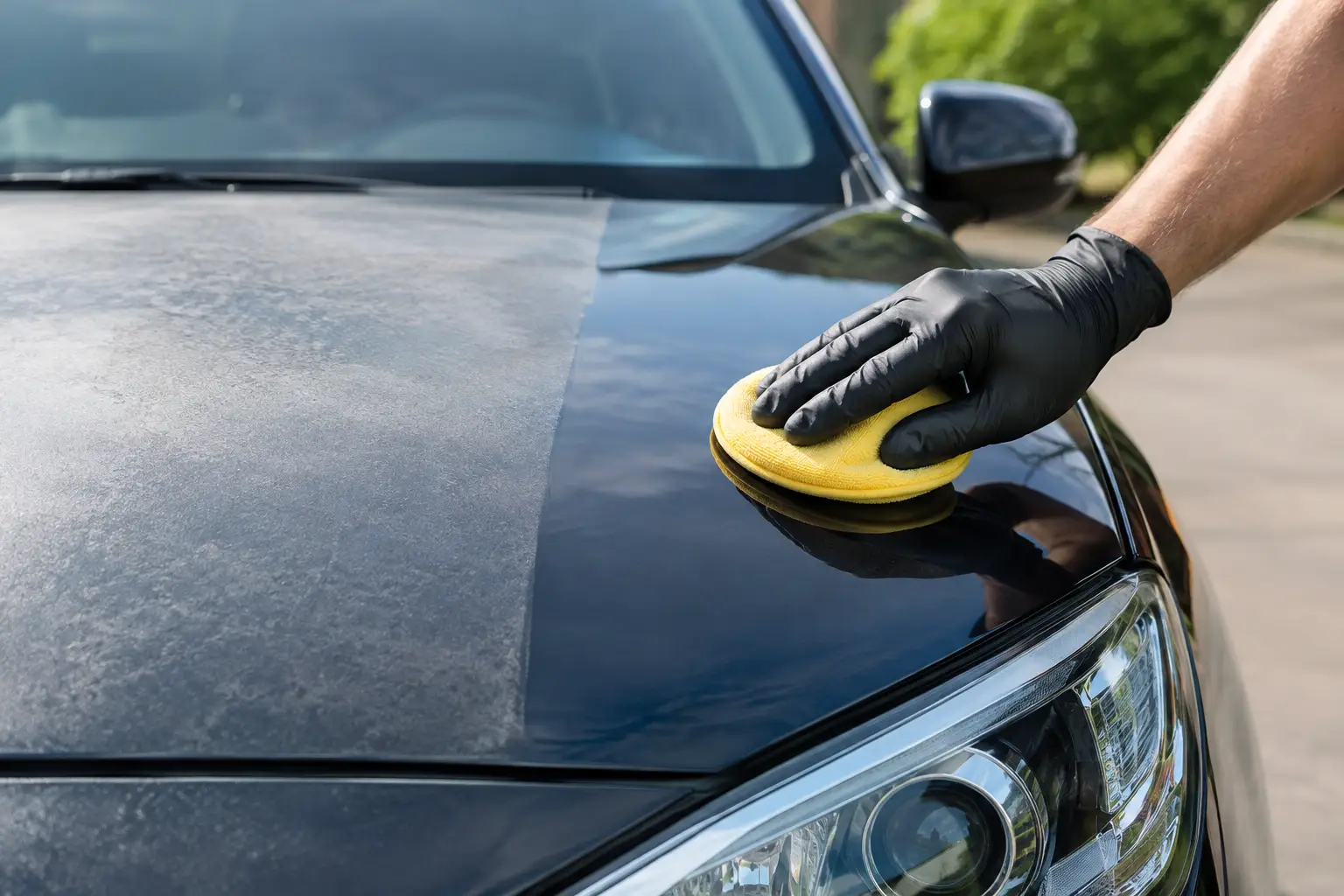
A hood that once looked deep and glossy can turn chalky, dull, or uneven after enough time under Black Hills sun, road grime, and changing weather. So, can detailing fix oxidation? Often, yes - but only when the damage is still in the paint’s surface layer. When oxidation has progressed into clear coat failure, even an exceptional detail cannot replace material that is no longer there.
The right answer starts with an honest inspection. Professional detailing can make a dramatic difference in faded paint, but it should never be sold as a miracle cure for peeling clear coat or severely compromised finishes. Knowing the distinction helps you spend money on the service your vehicle actually needs.
What Oxidation Does to Automotive Paint
Modern vehicle paint is generally built in layers: primer, color coat, and a protective clear coat on top. That clear coat gives paint its gloss, depth, and protection from the elements. Over time, ultraviolet exposure, contamination, harsh washing habits, salt, and neglected protection can degrade that top layer.
Early oxidation usually looks like muted color, lost reflection, light haze, or a rough feel after washing. Dark vehicles can appear gray instead of rich and glossy. Red paint may look pink or flat. White paint can lose its crisp, clean brightness and take on a yellowed or chalky appearance.
Oxidation is not always the only issue. Water spots, embedded industrial fallout, tree sap residue, scratches, and swirl marks can make a finish look similarly tired. That is why a proper assessment matters. Treating every dull surface with an aggressive polish is not professional paint care.
Can Detailing Fix Oxidation Before Clear Coat Fails?
Yes, detailing can often improve oxidation when the clear coat remains intact. The process typically involves a careful wash and decontamination, followed by machine polishing or paint correction. Polishing uses measured abrasives to level a very thin portion of damaged, oxidized clear coat, revealing a clearer and more reflective surface beneath.
The change can be substantial. A faded truck, SUV, motorcycle, or RV may regain gloss, color clarity, and a smoother finish that is far easier to maintain. Paint correction can also reduce the swirls and light scratches that keep sunlight from reflecting evenly off the surface.
The trade-off is that polishing removes a small amount of clear coat. It is controlled work, not an endless reset button. A skilled detailer chooses the least aggressive method that produces meaningful improvement, especially on older vehicles or paint that has been corrected before.
For a vehicle with mild to moderate oxidation, this may mean a one-step polish that lifts haze and restores gloss. Heavier oxidation may call for a multi-step correction process, using a compound first and a refining polish afterward. The appropriate level depends on paint condition, paint thickness, vehicle age, and your goals for appearance and long-term ownership.
What a successful correction can improve
When oxidation is still correctable, professional detailing can improve the finish in several visible ways: richer color, stronger reflection, smoother paint, reduced swirl marks, and a more consistent appearance across panels. It can also prepare the surface for a quality protectant, which is essential if you want the improvement to last.
It cannot make every defect disappear. Deep scratches, rock chips, stains that have etched through the clear coat, and prior bodywork may remain visible. A trustworthy service provider will explain what can be improved rather than promise a result that the paint cannot support.
When Detailing Cannot Repair the Damage
Clear coat failure is the line between correction and refinishing. Once the clear coat begins peeling, flaking, cracking, or separating from the color coat, polishing is no longer a repair. In fact, machine polishing a failed area can make the problem more obvious by removing loose or weakened material.
You may be dealing with clear coat failure if the surface has irregular white or gray patches, visible edges where the finish is lifting, or rough, blotchy areas that do not improve after cleaning. On some vehicles, the color coat may look exposed or feel dry and porous. At that point, repainting is the real solution.
A detail can still help the rest of the vehicle look cared for. Cleaning, decontaminating, protecting intact panels, dressing trim, and restoring wheels and glass can improve the overall presentation. But it is better to be clear about the limitation: no wax, sealant, ceramic coating, or polish can rebuild failed clear coat.
How Professionals Evaluate Oxidized Paint
A quality detail begins before the polisher comes out. The vehicle should be washed correctly so surface dirt does not hide the true condition of the paint. A detailer then examines the finish in direct sun and controlled lighting, checks whether the paint feels contaminated, and looks closely for failing clear coat, deep defects, repaint work, and thin areas around body lines.
Paint thickness readings may also be useful on higher-value vehicles or more involved correction work. This helps identify panels that have been repainted or areas where there may be limited material available for polishing. The goal is not simply to chase maximum shine for one afternoon. It is to improve the finish safely and preserve the vehicle’s value.
This inspection also shapes the recommendation. A daily driver may benefit most from a practical enhancement polish and durable protection. A garage-kept collector vehicle may justify a more extensive correction for sharper clarity. A work truck exposed to gravel roads, job sites, and winter conditions may need a realistic balance between improvement and ongoing protection.
Protect the Paint After Oxidation Removal
Correcting oxidation without protecting the finish is like cleaning your windshield before driving through a dust storm. The paint will look better, but UV exposure and contamination will begin working on it again right away.
A professional-grade sealant, ceramic coating, or other appropriate paint protection adds a sacrificial layer between the finish and the elements. The best choice depends on your vehicle’s use, storage, maintenance habits, and budget. Ceramic coatings can offer longer-lasting protection and easier cleaning, but they do not prevent rock chips and still require proper washing. A sealant may be the more practical option for an older daily driver that needs dependable seasonal protection.
Routine care matters just as much. Wash with pH-balanced products, avoid abrasive brushes and automatic washes that leave heavy swirls, remove bird droppings and tree sap promptly, and dry the vehicle with clean microfiber towels. For Rapid City and Black Hills drivers, seasonal road film, dust, and intense sun deserve attention before they become long-term paint problems.
Do not use household shortcuts
Products marketed as quick shine restorers can temporarily darken faded paint or fill light defects, but the improvement may wash away quickly. Household cleaners, abrasive pads, and harsh degreasers can make oxidation worse by stripping protection or damaging sensitive surfaces.
If the paint is already dull, skip the guesswork. An incorrect DIY approach can turn a manageable correction into a more expensive paint repair.
Choosing the Right Service for Your Vehicle
If your vehicle has lost gloss but the paint still feels smooth after decontamination and shows no peeling, professional paint correction may be an excellent investment. It is especially worthwhile before selling a vehicle, after buying a used vehicle, or when you want to restore the pride you once felt walking up to it.
If the damage is limited to one panel, an inspection can help determine whether correction will create an acceptable match or whether refinishing should be considered. If multiple panels have failed clear coat, focus your budget on a repaint and use detailing to maintain the healthy sections of the vehicle.
At Soul Detailers, the objective is a soul-deep clean with a recommendation that fits the real condition of your paint, not a one-size-fits-all package. Whether your vehicle needs a practical polish, more involved paint correction, or honest guidance toward bodywork, the best next step is one that protects your investment without overpromising.
A dull finish does not always mean your vehicle is past saving. Give it a careful assessment before writing it off - the right correction and protection may be all it needs to look like something you are proud to drive again.