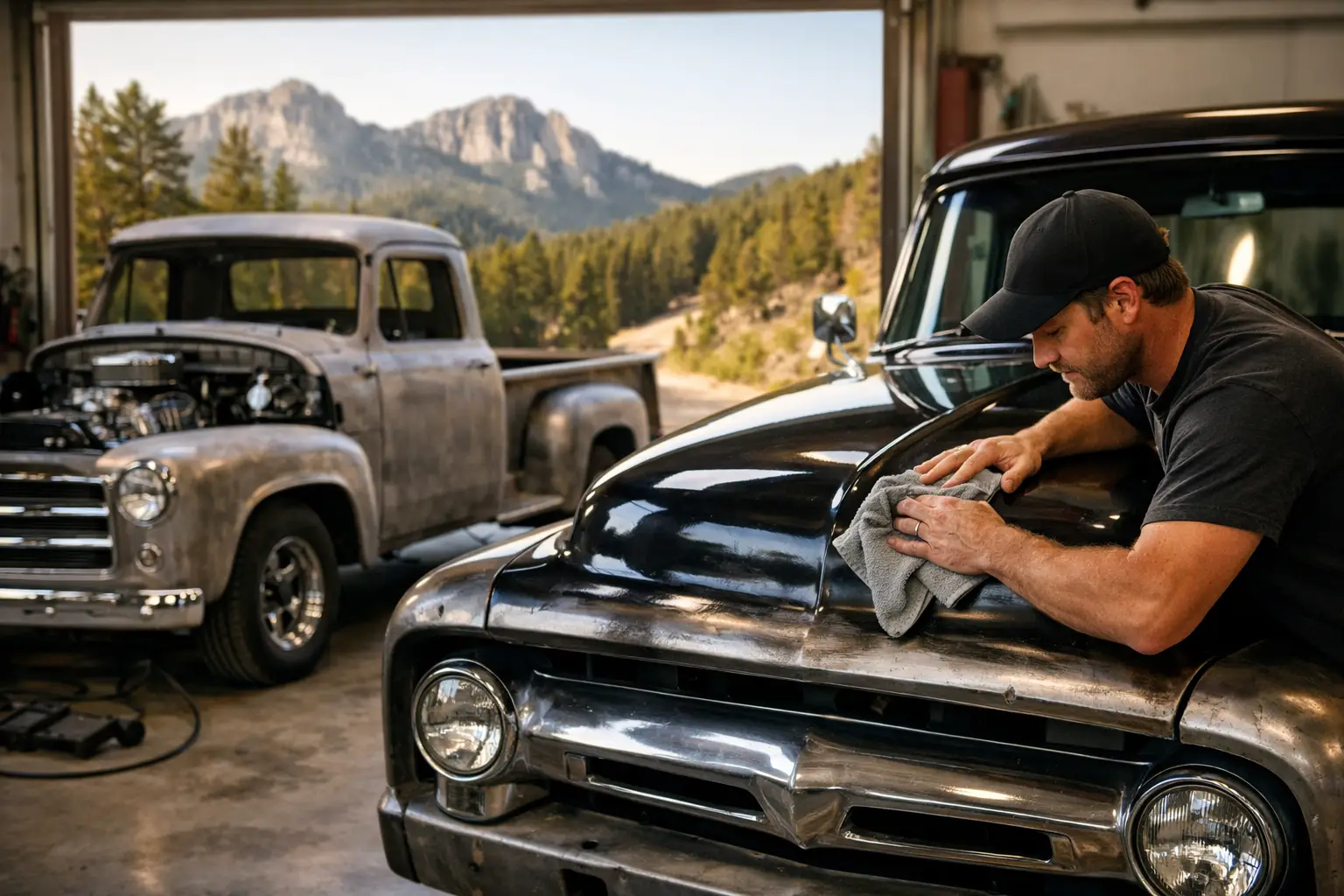
A Black Hills truck restoration does not always begin with an engine pull, a new bed, or a complete repaint. Often, it starts with the surfaces you see and touch every day: paint dulled by road grit, stained seats, oxidized trim, salt-marked wheels, and a bed that has worked as hard as the truck itself. Professional appearance care can bring a well-used truck back to a condition that feels worthy of its next chapter.
For truck owners around Rapid City and the Black Hills, restoration means more than making a vehicle look good for an afternoon. It means addressing the effects of gravel roads, winter sand, UV exposure, trail dust, worksite debris, and long miles. The right plan protects the truck you rely on while preserving the pride you feel when you walk up to it.
What Truck Restoration Really Means
Restoration has a broad meaning, and the right service depends on the truck’s age, condition, and purpose. A classic pickup being prepared for a show has different needs than a newer diesel used for towing, ranch work, or weekend camping. Both deserve careful work, but the goals are not identical.
Mechanical restoration addresses systems such as the engine, transmission, suspension, brakes, and electrical components. Body restoration can involve rust repair, metalwork, replacement panels, and repainting. Appearance restoration focuses on the materials that shape the truck’s presentation and daily comfort: paint, glass, wheels, trim, upholstery, carpeting, plastics, and the cargo area.
Detailing is not a substitute for structural rust repair or a failing clear coat. It is, however, one of the most effective ways to improve a truck’s condition without immediately committing to extensive bodywork. A thorough assessment reveals what can be cleaned, protected, or reasonably improved - and what requires a body shop or mechanical specialist.
Start With an Honest Condition Assessment
Before selecting a restoration package, look at the truck in full daylight. Dirt can hide scratches, swirls, paint oxidation, embedded fallout, and stains that only become visible after a proper wash. A truck that appears simply dusty may have contamination bonded to the paint, neglected leather, or trim fading from years of sun exposure.
Paint condition deserves particular attention. Light swirls and wash marring are common on trucks that see frequent automatic washes. Deeper scratches, stone chips, peeling clear coat, and exposed metal are different concerns. A proper wash, decontamination, and protection will make the surrounding finish look cleaner and more even, but damage that cleaning cannot reverse may call for a body shop or a repaint.
The interior should receive the same honest review. Ground-in mud, pet hair, food spills, smoke odor, and workwear grime do more than affect appearance. They can wear down fabric, leather, plastic, and carpet over time. A soul-deep clean reaches beyond the cup holders and floor mats to the areas that hold the evidence of daily use.
The Bed, Wheels, and Undercarriage Matter
Truck restoration often focuses on the cab and paint, but the working areas tell the fuller story. A truck bed may need careful cleaning to remove dried mud, old leaves, spilled material, and residue around tie-down points. If the bed has a spray-in liner, it should be cleaned with products and tools suited to its texture so it looks refreshed without leaving a chalky residue.
Wheels and wheel wells also need close attention. Black Hills roads can leave brake dust, mud, road film, and winter grime in places a quick wash misses. Proper cleaning improves the truck’s overall presentation and makes it easier to spot damaged coatings, rusting hardware, or leaks that deserve further inspection.
Build a Black Hills Truck Restoration Plan Around Use
The best Black Hills truck restoration plan is not always the most aggressive one. It is the one that matches how the truck will be used after the work is done. A garage-kept classic, a daily-driven half-ton, and a tow rig that sees gravel roads each need a different balance of protection and maintenance.
For a newer truck with dull paint and a heavily used interior, the priority may be a complete detail followed by durable exterior protection. This approach restores visual clarity while making future wash care easier. For an older truck with original paint, a conservative approach may be the better choice. Preserving the remaining paint is often more valuable than chasing a flawless finish.
Protect the Finish Once It Is Clean
Results depend on the condition and thickness of the paint. Factory paint, repainted panels, older single-stage finishes, and clear coat that has been exposed to years of sun all require a different approach. A reputable detailer will set realistic expectations rather than promise that every flaw will disappear.
Once the paint is clean and decontaminated, protection becomes essential. Without it, exposure to sun, rain, road film, and contaminants begins diminishing that renewed finish right away. The right protective option depends on where the truck is stored, how often it is driven, and how much maintenance the owner wants to perform.
Protect the Work After Restoration
Restoration is not a one-time event if you want the truck to continue looking its best. Regular maintenance prevents dirt from becoming damage and helps preserve the value of the initial investment. That does not mean your truck needs to be treated like a showpiece. It means giving the materials the care their job requires.
Avoid abrasive brushes, harsh household cleaners, and rushed automatic washes that can add fresh swirls to freshly cleaned paint. Remove bird droppings, bug residue, tree sap, and winter road grime promptly when possible. These contaminants can bond to or etch surfaces, especially when heat and sun are involved.
Interior maintenance is equally practical. Vacuuming regularly keeps grit from working deeper into carpet and upholstery. Wiping down high-touch areas helps prevent oils and dirt from building up on steering wheels, door panels, switches, and center consoles. For leather, use appropriate cleaners and conditioners rather than products that leave a slippery, artificial shine.
Seasonal detailing is especially valuable in the Black Hills. Spring is a smart time to remove winter residue. Summer care focuses on UV exposure, dust, and bugs. Fall is ideal for cleaning out pine needles and preparing surfaces for colder weather. After winter, a detailed cleaning can reset the truck before another year of work and travel begins.
Choose Restoration Care That Respects the Vehicle
Premium truck care should be clear about what is included, what condition issues are present, and what results are realistic. Transparent service options make it easier to choose the right level of care without paying for work that does not serve your goals.
At Soul Detailers, that means treating trucks as the investments and work partners they are. Whether the vehicle needs a thorough interior reset, paint refinement, protective treatment, or convenient mobile service, the focus stays on careful workmanship and a finish you can be proud to maintain.
A truck carries a record of its use: family trips, long hauls, muddy weekends, jobsite mornings, and miles across the Hills. Restoring its appearance is not about erasing that history. It is about preserving the vehicle well enough that it is ready to keep making more of it.