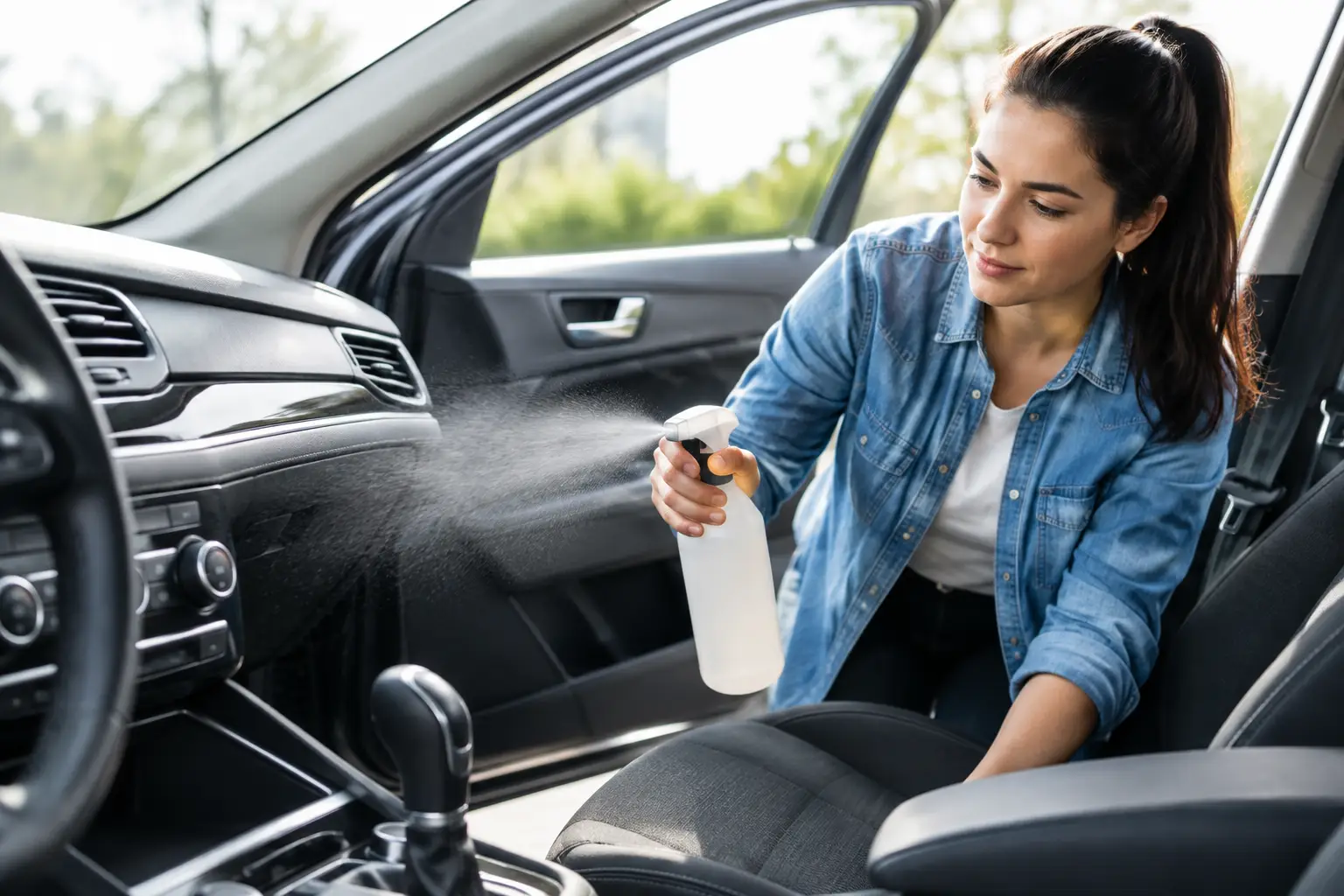
A vehicle can look clean and still tell on its history the moment the doors close. Smoke odor settles into fabric, headliners, vents, and the cabin air system, where a quick air freshener cannot reach it. To truly remove smoke smell from car interiors, the work has to address both the residue you can see and the odor particles you cannot.
For Rapid City and Black Hills drivers, this is especially noticeable after a vehicle has been closed up through a cold stretch or warmed in direct summer sun. Heat and humidity can bring old cigarette odor back to the surface. The right approach is less about covering it up and more about giving the interior a soul-deep clean.
Why Smoke Odor Is So Difficult to Remove
Cigarette and cigar smoke leave behind a sticky residue often called thirdhand smoke. It clings to porous materials: cloth seats, carpet, seat belts, unfinished plastic, foam padding, and the fabric overhead. Leather and vinyl are easier to clean, but smoke film can still settle into their texture and around seams.
The HVAC system is another common source. Every time the blower runs, air moves across a cabin air filter and through ductwork that may be holding odor-causing residue. That is why a car may smell acceptable while parked but suddenly smell like smoke when the heat or A/C comes on.
How deep the smell goes depends on the vehicle and its prior use. A car that was smoked in occasionally may respond well to a thorough interior detail. A heavily smoked-in vehicle, especially one with stained headliner fabric or damaged seat foam, may require repeat treatment or professional odor remediation. Honest expectations matter: the goal is to remove the source as completely as possible, not temporarily overpower it with fragrance.
How to Remove Smoke Smell From a Car Step by Step
Start With the Cabin Air Filter and Loose Debris
Replace the cabin air filter before treating the interior. A contaminated filter can reintroduce odor after the rest of the car is cleaned. Check the filter housing and surrounding area for leaves, dirt, or moisture as well. If there is a musty odor mixed with smoke, a blocked drain or moisture issue may also need attention.
Then remove all trash, ash, loose change, floor mats, and personal items. Ash has a way of collecting in seat tracks, cup holders, door pockets, and beneath the seats. Vacuum every surface slowly, including carpet edges, trunk carpeting, cracks around the console, and upholstery seams.
Clean Hard Surfaces Before Shampooing Fabric
Smoke residue is oily, so dry dusting alone will not remove it. Use a quality interior-safe cleaner on plastic, vinyl, dashboard surfaces, door panels, console trim, steering wheel, and inside glass. Follow with a clean microfiber towel so you are lifting residue rather than spreading it around.
Do not overlook the areas people touch least often. Sun visors, grab handles, seat belt webbing, headrests, door jambs, and the inside of the windshield can carry a surprising amount of film. If the windshield develops a haze shortly after cleaning, that is often a sign that residue remains inside the cabin.
Use care around screens, gauge clusters, and delicate trim. Saturating switches or spraying cleaner directly into vents can create new problems. Apply product to the towel or detailing brush first when working in tight areas.
Treat Seats, Carpet, and Floor Mats Properly
Fabric is usually the largest odor reservoir in a smoked-in car. A dedicated upholstery and carpet cleaner, used with proper extraction, can pull contamination from below the surface. The key is controlled moisture. Overwetting the carpet or seats may leave the vehicle damp, create a mildew risk, and make odor removal harder.
For removable floor mats, clean both sides and allow them to dry completely outside the vehicle. Cloth seats and carpet benefit from multiple light passes rather than one soaking treatment. After extraction, leave the doors open when conditions allow or use airflow to speed drying.
Leather needs a different process. Clean it with a leather-safe product, paying attention to stitching and perforations, then apply a suitable conditioner if recommended for that material. Strong household degreasers can strip finishes, discolor surfaces, or leave a residue of their own.
Do Not Ignore the Headliner
The headliner is one of the most common reasons smoke odor lingers. Because smoke rises, the fabric above the seats can hold a concentrated amount of residue. It is also one of the easiest areas to damage.
Avoid saturating the headliner. Excess moisture can loosen the adhesive and cause fabric to sag. Instead, use a lightly dampened microfiber towel and an appropriate fabric cleaner, working gently in small sections. If the headliner is visibly yellowed, heavily stained, or has a strong odor even after other cleaning, professional treatment is the safer choice.
Clean the Vents and Address the HVAC System
Wipe vent louvers and surrounding trim, then consider an HVAC odor treatment designed for automotive use. The product should be used according to its directions, typically with the blower operating to circulate treatment through the system.
This step helps, but it cannot compensate for a dirty interior or an old cabin filter. If smoke odor is strongest only when the fan is running, the HVAC system deserves special attention. A persistent smell may call for a more thorough evaporator cleaning performed by a qualified professional.
Why Air Fresheners and Odor Bombs Often Fall Short
A hanging freshener can make a vehicle smell pleasant for a few days, but it does not remove smoke residue. In some cases, mixing a heavy fragrance with cigarette odor makes the cabin feel worse, not cleaner. The same is true of powders or sprays that leave residue in carpet without extracting the underlying contamination.
Odor bombs and ozone machines can have a place in professional remediation, but they are not a substitute for cleaning. Ozone treatment should be handled carefully in an unoccupied vehicle and used only after the surfaces, textiles, and HVAC system have been properly addressed. If the source remains, the smell can return.
When Professional Smoke Odor Removal Makes Sense
DIY cleaning is practical for a mild odor, especially when the vehicle has been aired out and the smoker used it infrequently. Professional detailing is often the better value when the smoke smell is strong, the vehicle is being prepared for sale, or you need the result to last.
A professional process brings together deep vacuuming, surface decontamination, upholstery and carpet extraction, careful headliner cleaning, vent treatment, and odor-neutralizing methods chosen for the vehicle's condition. It also reduces the chance of oversaturating materials or using cleaners that damage leather, trim, screens, or adhesives.
This is particularly worthwhile for trucks, SUVs, RVs, and trailers with more upholstery, carpet, storage areas, and air volume to treat. A larger cabin has more places for odor to hide, and a quick interior wipe-down will rarely reach them all.
At Soul Detailers, a smoke-affected vehicle is evaluated for the level of contamination rather than treated with a one-size-fits-all promise. Clear expectations and the right level of service protect your time, your vehicle, and its resale appeal.
How to Keep the Odor From Returning
Once the interior is clean, replace or inspect the cabin filter on schedule and avoid smoking inside the vehicle. Keep windows cracked only when weather and security allow, and remove ash or trash immediately rather than letting it sit in cup holders and door pockets.
If you recently bought a used vehicle, schedule odor removal before adding seat covers, new floor mats, or storage accessories. Those additions can make the cabin look better, but they can also trap odor beneath them if the original surfaces were never fully cleaned.
A smoke-free interior changes more than the first impression of a vehicle. It makes every drive more comfortable and helps preserve the pride, condition, and value you expect from your investment.